Local detail
The Seasonal Bit
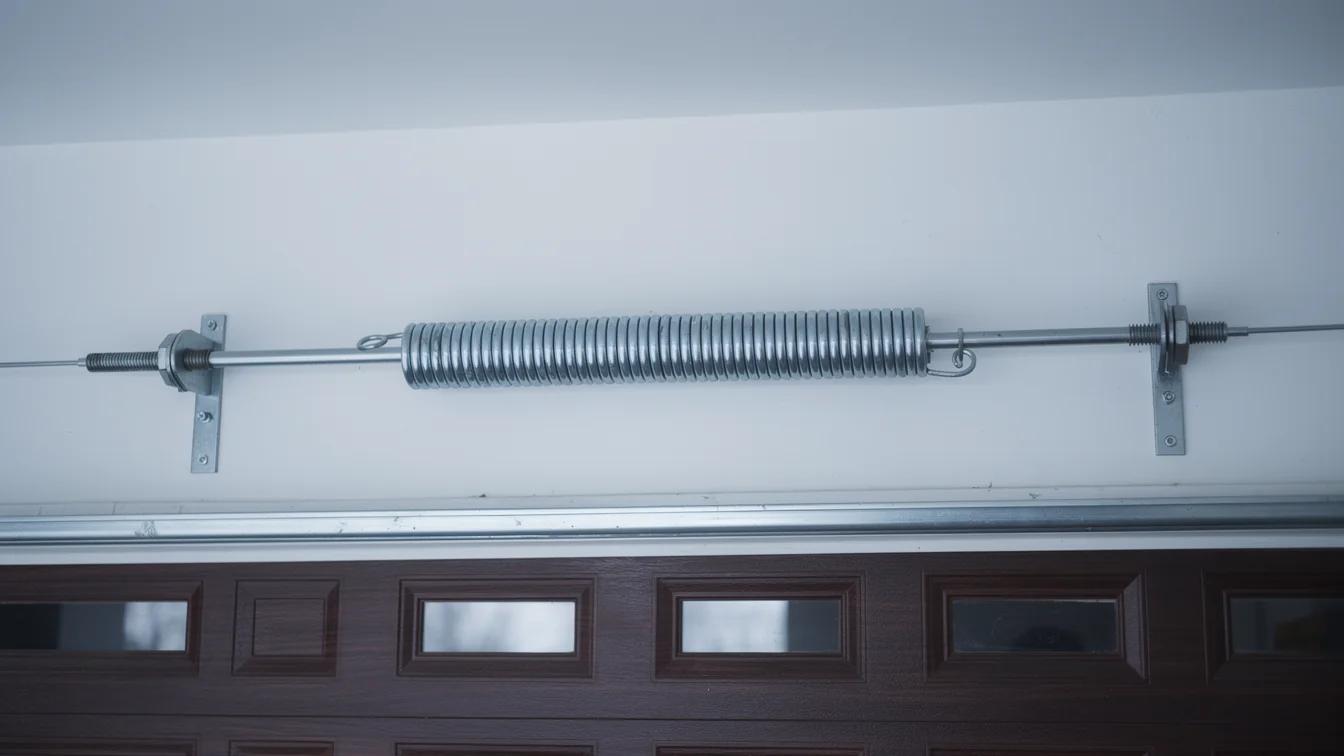
A service call here isn't the same job in July as it is in January, and it's not because we're padding the invoice. Collierville sits in a cold-moderate climate band, which doesn't mean brutal winters, but it does mean enough freeze-thaw cycling that steel cable and galvanized torsion springs pick up moisture, then lose it, over and over through the cold months. That cycle is what we're checking for first when a call comes in during winter: rust bloom on the cable where it wraps the drum, a spring that's lost tension because the coating cracked, hinges that have gone stiff from grease that thickened in the cold. In summer the complaints shift - openers running hot, sensors drifting out of alignment as the slab expands a little. We don't treat a winter call and a summer call the same way, because the failure mode is different. The seasonal bit isn't a sales pitch for a maintenance plan; it's just where we start looking, because starting in the wrong spot wastes your money and our time.
The area
How Local Conditions Play In
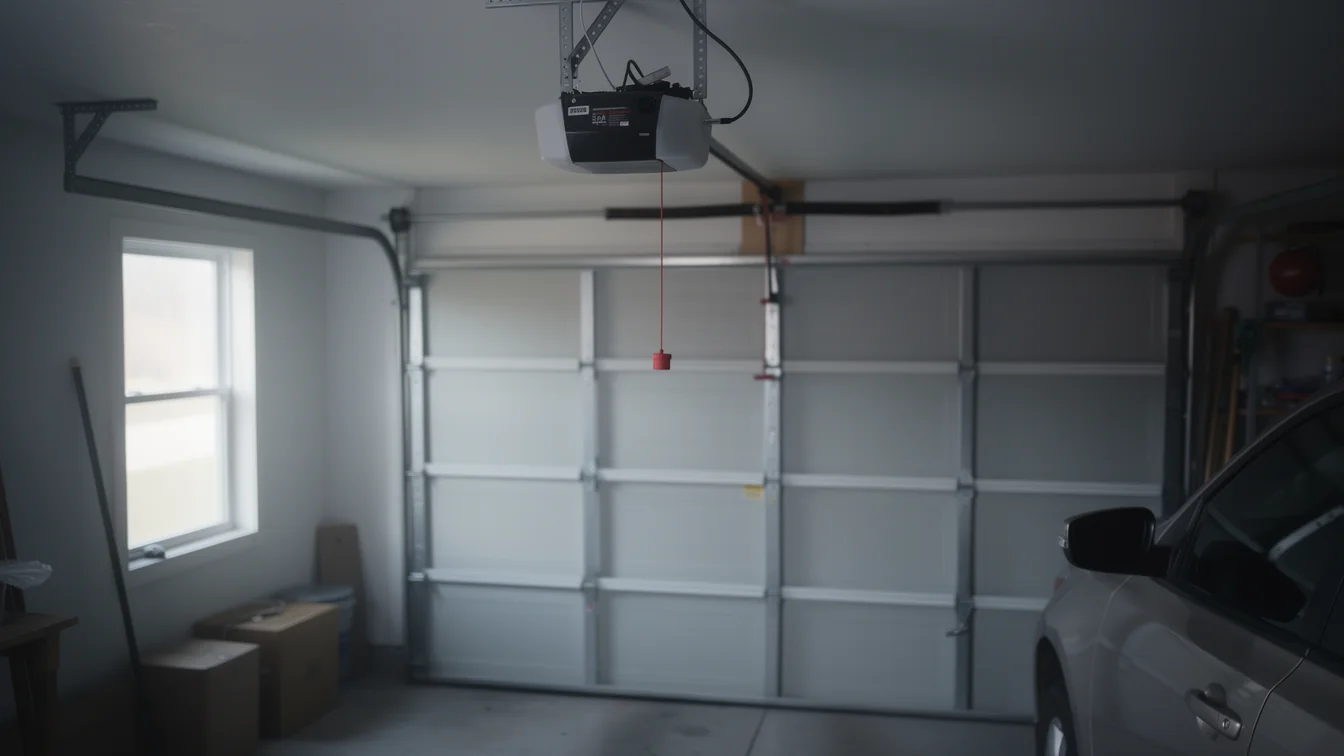
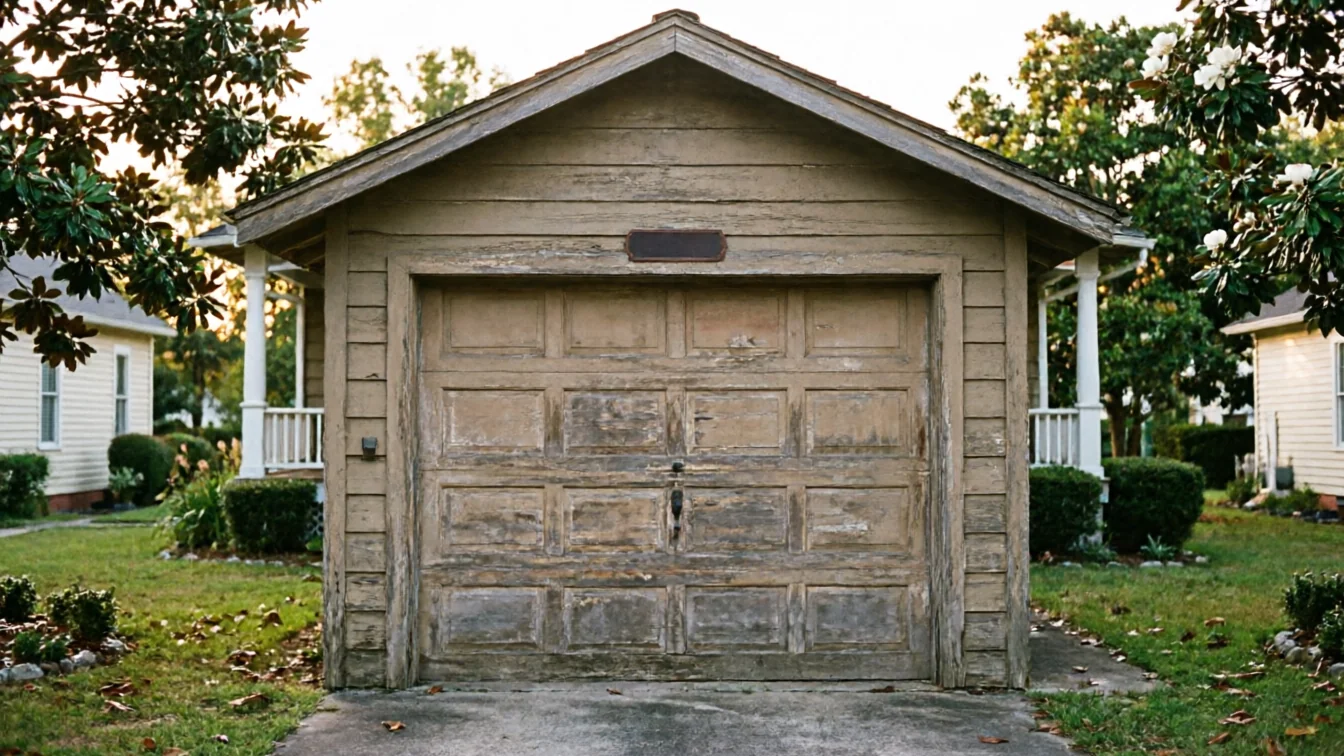
Most of the housing stock across this service area, including the seven named subdivisions we work in regularly, went up between 1978 and 2007, with the median build year landing around 2003. That matters because it tells us what's actually behind the drywall before we open the panel. A house built in the early 2000s almost never has the old side-mounted torsion hardware from the 1960s and '70s - it's got a standard center-mounted torsion spring setup, a chain or belt-drive opener from that era, and steel doors instead of older wood ones. So a call here is rarely a hunt for obsolete parts. It's usually a straightforward swap: spring, cable, roller, or opener logic board, all stock sizes for doors built in that two-decade window. We do still run into the occasional outlier - an older property predating that main build wave, or a custom install - and those take longer because the hardware doesn't match what's on the truck. We tell you that up front rather than guess.
What we find
When to Call Someone
Call before the door fails all the way, not after. A torsion spring that's starting to sag shows itself as a door that feels heavier to lift by hand, or an opener that strains and groans on the way up - that's worth a call now, because a spring that snaps under load can bend the track or pop a cable off the drum, which turns a $200 fix into something bigger. Given the median household income across this service area sits at $121,116, we see a fair number of homeowners who'd rather replace an aging spring set before it fails than wait for the 10 p.m. emergency call. That's a reasonable call either way - we're not going to tell you a part is dying if it isn't. What we will tell you is when a repair doesn't make sense: if the opener motor is already burned out and the logic board is going too, replacing the whole unit usually beats part-by-part repair. We'd rather say that than bill you twice.
How we work
The Problem
Here's the honest limitation: we can diagnose over the phone, but we can't always tell you the price until we've got the panel open, because a cable that looks frayed might be masking a bent track underneath, and that changes the job. Across the roughly 23,965 owner-occupied houses in this service area, the spring wear pattern we see tracks pretty closely with the construction boom from 1978 to 2007 rather than decades of accumulated use - which is good news, because it means parts are common, not scarce. The problem is more often sequencing: a homeowner waits on a noisy roller for months, the roller finally seizes, the extra strain takes the opener's drive gear with it, and what started as a $40 roller swap becomes a $300 opener repair. We can't un-sequence that once it's happened. What we can do is tell you, on the first visit, which small thing is about to become a big one.
Talk to a local pro
Garage door trouble in Collierville?
Same-day service with honest, upfront quotes.